The Rising Popularity of Auto Vacuum Cleaners: A Comprehensive Guide
In today's busy world, customers are significantly inclined to buy gadgets that make it possible for efficiency, convenience, and tidiness. The auto vacuum, frequently referred to as the robotic vacuum, has actually emerged as one of the most popular family appliances in current years. With advanced technology and innovative design, these gadgets assure to reinvent the way people maintain their living spaces. This article explores the functions, benefits, and factors to consider when purchasing an auto vacuum cleaner, together with a deep dive into regularly asked questions, pointers for maximizing their energy, and a contrast of some popular models available on the market.
Comprehending Auto Vacuum Cleaners
Auto vacuum are autonomous gadgets designed to tidy floors with very little human intervention. Geared up with numerous sensing units, brushes, and suction technologies, these vacuums can navigate around furnishings, avoid obstacles, and go back to their charging stations when powered down.
Key Features of Auto Vacuum Cleaners
Auto vacuum feature a variety of features, making them ideal for various cleaning tasks. A few of the most noteworthy features include:
- Smart Navigation Systems: Most models are geared up with sensors and cams that allow them to map and browse a home.
- Set up Cleaning: Users can set particular cleaning times through an app or onboard controls.
- Multi-surface Capability: Many auto vacuums can transition in between surfaces, consisting of carpets, wood, and tiles.
- Dirt Detection: Sensors spot dirtier locations and indicate the vacuum to concentrate on those spots.
- App Integration: Mobile apps permit users to control their vacuums from another location and receive cleaning reports.
Benefits of Auto Vacuum Cleaners
The advantages of using an auto vacuum in a family consist of:
- Time-Saving: These vacuums permit users to focus on other jobs while the cleaning is done automatically.
- Increased Accessibility: They are especially beneficial for people with mobility issues, allowing them to keep a tidy home without additional aid.
- Consistency: Regular automatic cleaning schedules help maintain a cleaner environment by guaranteeing dirt and debris are picked up continuously.
- Higher Tech Features: With lots of offering advanced functions like virtual barriers and home mapping, modern-day auto vacuums are becoming progressively wise.
| Function | Description |
|---|---|
| Suction Power | Varies by design; necessary for various surface areas. |
| Battery Life | Affects cleaning time; usually varies from 60 to 120 minutes. |
| Dustbin Capacity | Determines how often the vacuum needs to be cleared; compared to standard vacuums, typically smaller sized. |
| Filter Type | Common types include HEPA filters, which trap irritants. |
| Sound Level | Typically quieter than traditional vacuums; differs by model. |
Purchasing Considerations
When thinking about the purchase of an auto vacuum cleaner, it's important to examine various factors that can considerably impact your experience:
- Home Size and Layout: Larger dual-story homes may require assistances like numerous charging docks or vacuums with greater battery capacity.
- Floor Types: If your home has a mix of carpets and hard floorings, make sure the vacuum is rated for multi-surface cleaning.
- Family pets: Consider models specifically designed for animal hair elimination if you have furry buddies.
- Budget: Prices can vary significantly depending upon functions; set a budget plan and search for models that fit vital needs without unneeded bonus.
- Customer Reviews: Research user experiences on platforms like Amazon or Reddit to assess the advantages and disadvantages of specific models.
Popular Auto Vacuum Cleaners
The market includes a huge selection of auto vacuum models, dealing with various needs. Here's a take a look at a few popular options:
| Model | Cost Range | Key Features |
|---|---|---|
| iRobot Roomba 694 | ₤ 250 - ₤ 300 | Smart scheduling, dirt detection, Wi-Fi allowed. |
| Shark IQ Robot | ₤ 350 - ₤ 400 | Self-emptying base, advanced mapping technology. |
| Ecovacs Deebot Ozmo T8 | ₤ 500 - ₤ 600 | Mopping function, high suction power, wise mapping. |
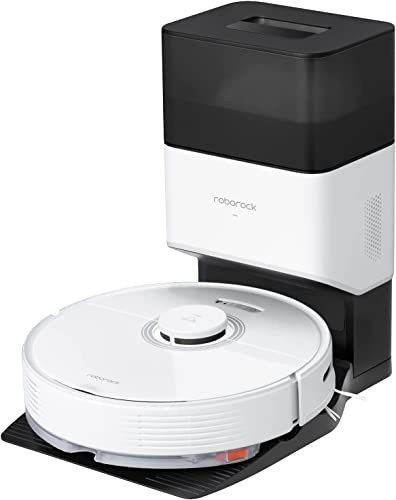
| Roborock S7 | ₤ 400 - ₤ 500 | Sonic mopping, automatic carpet detection, long battery life. |
| Neato D8 | ₤ 400 - ₤ 500 | D-shape for corner cleaning, programmable, high suction. |
Regularly Asked Questions (FAQs)
1. How does an auto vacuum navigate in my home?
Many robotic vacuums utilize a combination of sensors, lasers, and video cameras to map your home. They develop a virtual map to keep in mind the design as they clean, permitting more efficient cleaning paths.
2. How frequently should I run my auto vacuum?
While frequency can differ based upon way of life and pet ownership, running your vacuum at least 3 times a week is usually recommended for ideal cleanliness.
3. Do I need to empty the dustbin every time?
Depending upon the design, some auto vacuums have larger dustbins or even self-emptying bases. Nevertheless, if it uses a standard dustbin, emptying it after every couple of cleaning cycles is advisable.
4. Can auto vacuum cleaner s tidy stairs?
Many auto vacuum are not developed to navigate stairs separately. Users require to by hand bring it in between floors.
5. For how long do the batteries last in these vacuums?
Battery life can vary. Many auto vacuums have a run time of about 60 to 120 minutes before going back to the charging dock.
Incorporating an auto vacuum cleaner into the home not just promotes cleanliness but also improves the convenience of home chores. With a range of models available, prospective purchasers can discover options that best suit their requirements. When assessing choices, it's necessary to think about floor type, home size, and specific preferences connected to functions. Overall, as technology developments continue to innovate home cleaning options, auto vacuum are becoming essential tools for preserving a tidy environment with minimal effort.